Community
27-11-2025
4 min read
Autumn Budget 2025: What are the key points?

Jonathan Smith
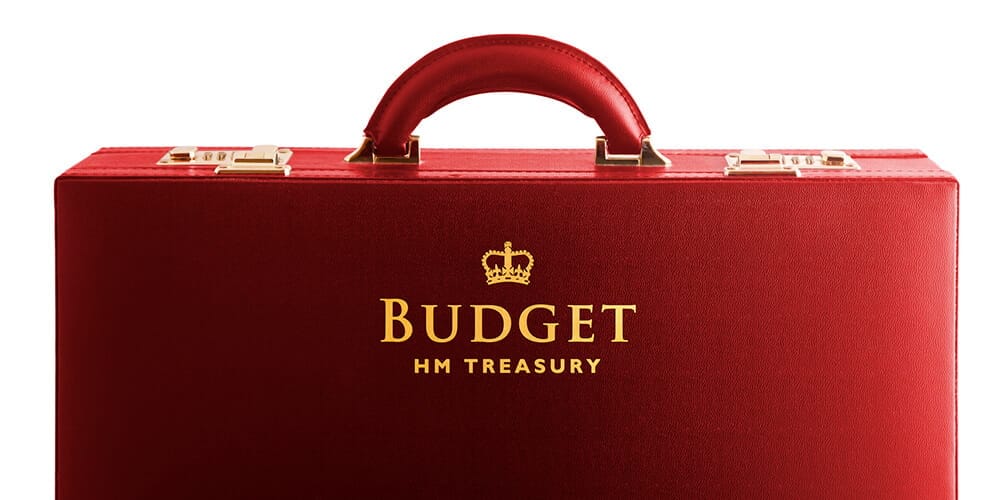
On Wednesday (26th November), Rachel Reeves delivered her second Autumn Budget as Chancellor of the Exchequer.
While some measures had been trailed in advance of the speech, there were plenty of new announcements affecting savers, drivers, and homeowners.
To help you get to grips with the changes, we’ve rounded up the vital takeaways below.
How is the UK economy doing?
- Short-term growth upgrade: the Office for Budget Responsibility (OBR) has predicted the UK economy will grow by 1.5% this year, an upgrade from the 1% forecast made back in March (source).
- Longer term growth looks bleaker: the growth picture for next year is slightly gloomier, with the forecast downgraded to 1.4% compared to March figures. Growth is expected to hover around 1.5% in the following years.
- Inflation outlook: inflation is predicted to average 3.5% this year. The OBR expects this to fall to 2.5% next year, before returning to the Government’s 2% target in 2027.
Personal taxes and savings
- Tax thresholds frozen: the freeze on National Insurance and Income Tax thresholds has been extended for three years beyond the original 2028 end date. This means more people are likely to fall into higher tax bands over time.
- Cash ISA limit introduced for under 65s: the amount of money people under 65 can subscribe to a cash ISA will be capped at £12,000 per tax year. You can still use your full £20,000 tax free annual allowance, but the remaining £8,000 can only be placed in investments.
- Tax rates rising: The basic and higher income tax rates on income from property, savings and dividends are set to increase by two percentage points.
- Salary sacrifice changes: The amount you can sacrifice from your salary to avoid paying National Insurance on pension contributions will be capped at £2,000 a year from 2029.
Wages, benefits and pensions
- State Pension boost: retirees will see a boost in April 2026. Under the triple lock policy, both basic and new State Pension payments will rise by 4.8%, which is higher than the current rate of inflation of 3.6% (ONS).
- Minimum wage rise: the National Living Wage for over-21s will rise by 4.1% in April, taking it from £12.21 to £12.71 per hour.
- Wage rise for younger workers: as part of a plan to eventually create a single rate for all adults, the national wage for 18 to 20-year-olds will jump by 8.5% in April 2026, rising from £10 to £10.85 per hour.
- Two-child benefit cap scrapped: The cap that limits universal credit or child tax credit payments to the first two children will be scrapped in April 2026.
- Help to Save expanded: The scheme offering low wage workers a bonus on their savings will be extended and expanded beyond 2027.
Transport and travel
- Rail fares frozen: for the first time in 30 years (GOV.UK), regulated rail fares in England will be completely frozen next year.
- Fuel duty cut extended: drivers will see the 5p cut in fuel duty extended again until September 2026. After that, it is set to rise over a six-month period.
- Electric vehicle (EV) tax coming: EVs and plug-in hybrids are to be subject to a new mileage-based tax from 2028.
- Tourist tax: England’s regional mayors will have powers to tax overnight stays in hotels and holiday lets, similar to systems planned in Scotland and Wales.
Housing and everyday costs
- Council tax surcharge on expensive homes: properties in England worth over £2m will face a new council tax surcharge of between £2,500 and £7,500. This follows a revaluation of homes in council tax bands F, G and H.
- Prescription costs frozen: the cost of a single NHS prescription in England will remain frozen at £9.90 for another year. They will continue to remain free in Wales, Scotland and Northern Ireland.
- Sugar tax expanded: from 2028, the tax on sugary drinks will be expanded to cover pre-packaged milkshakes and lattes.
Business taxes
- Gambling duty hike: the tax on profits made by gambling firms from online bets will rise from 21% to 40% starting in April 2026. There will also be an abolition of 10% the bingo tax.
- Overseas small package tax exemption to end: the tax exemption for small packages from overseas retailers worth under £135 will be scrapped from 2029 to support a level playing field for UK high street businesses.
Looking for more detail? The full Autumn Budget 2025 is available on the UK Government website.