09-06-2026
4 min read
Guide: Cash ISA allowances changes in 2027

Jonathan Smith
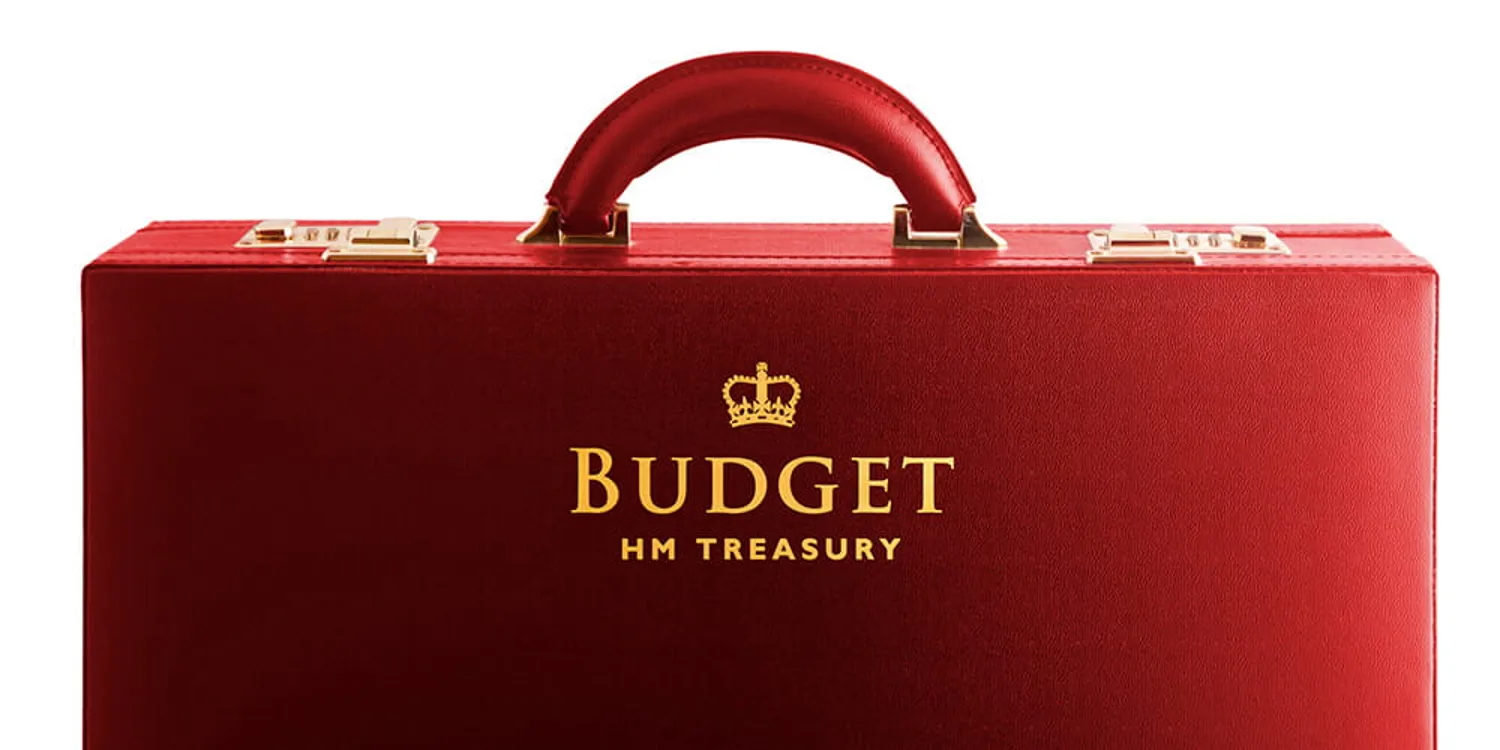
If you like to keep your savings tax free, you’ve probably used a cash ISA before. They offer a simple way to grow your money without paying tax on the interest you earn.
Following the 2025 Autumn Budget, the government announced plans for cash ISA reform that will update how these accounts work from 6th April 2027.
While it might feel a long way off, getting to grips with these ISA rule changes now can help you plan ahead.
Is the cash ISA allowance going to change?
Yes. The main planned update is a new limit on how much you can pay into a cash ISA each tax year, but only if you’re within a certain age range. This is the key cash ISA allowance change to be aware of and one of the headline ISA changes for 2027.
Currently, you can put your entire £20,000 annual allowance into a cash ISA.
For those 65 or over: there are no cash ISA allowance changes. It will remain at £20,000.
For those under 65:
- Your cash ISA allowance will be £12,000: you’ll only be able to pay up to £12,000 into cash ISAs each tax year.
- Your total ISA allowance: will stay at £20,000. To use the remaining £8,000, you must use other types, like stocks and shares ISAs, Innovative Finance ISAs and a Lifetime ISA.
- Transfer restrictions: you’ll no longer be able to transfer funds from stocks and shares ISAs and Innovative Finance ISAs to a cash ISA. However, you will still be able to transfer between different cash ISA providers.
The new limit will take effect for the tax year starting 6th April 2027. Existing Cash ISA balances built up before this date will remain protected and tax-free.
Other changes to keep in mind
Alongside the new cash ISA allowance change in April 2027, there are a few extra planned ISA rule changes designed to smooth the transition and close loopholes.
- Uninvested cash: the government is intending on introducing a tax charge on interest paid on any uninvested cash held inside stocks and shares ISAs and Innovative Finance ISAs. This ISA rule change is to discourage people from using investment accounts as a way to hold extra cash.
- Higher tax on other savings: any tax you need to pay on savings interest earned outside of an ISA is set to rise by two percentage points. This makes your tax-free ISA allowance even more valuable.
What is staying the same?
Any money you already have in a Cash ISA will stay protected. Your funds will remain tax free and continue to earn interest as normal.
Additionally, there are no updates to Junior ISA limits, which stay at £9,000 per year.
Why does the government want to change the ISA rules?
The government wants to encourage more people to consider investing. By capping the amount of cash you can hold tax free each year, they hope savers will consider products like stocks and shares ISA and Innovative Finance ISAs.
But why different rules for the two age groups? Basically, the government is using these ISA changes to nudge younger savers towards investing to help grow the UK economy. As younger people generally have more time before they need access to their savings, they also have more time to recover if the market dips.
For those savers over 65, the government recognises that many people are already in or approaching retirement. At this stage of life, having easy, guaranteed access to cash is more important than taking risks for long-term growth. Keeping the £20,000 limit for this age group allows them to keep their retirement nest egg safe and tax free.
What happens next?
If you will be impacted by the changes in April 2027 (under 65), you still have the rest of the 2026/27 tax year to save under the current rules. This means that you can still pay up to £20,000 into a cash ISA before the planned ISA changes come in.
Already over 65 or will be over 65 by 6th April 2027? The rules will stay exactly the same as they are now, so it’s business as usual when it comes to your ISA.
You can find more ISA information on our savings knowledge hub, as well as the latest updates on our blog, so be sure to check back from time to time.